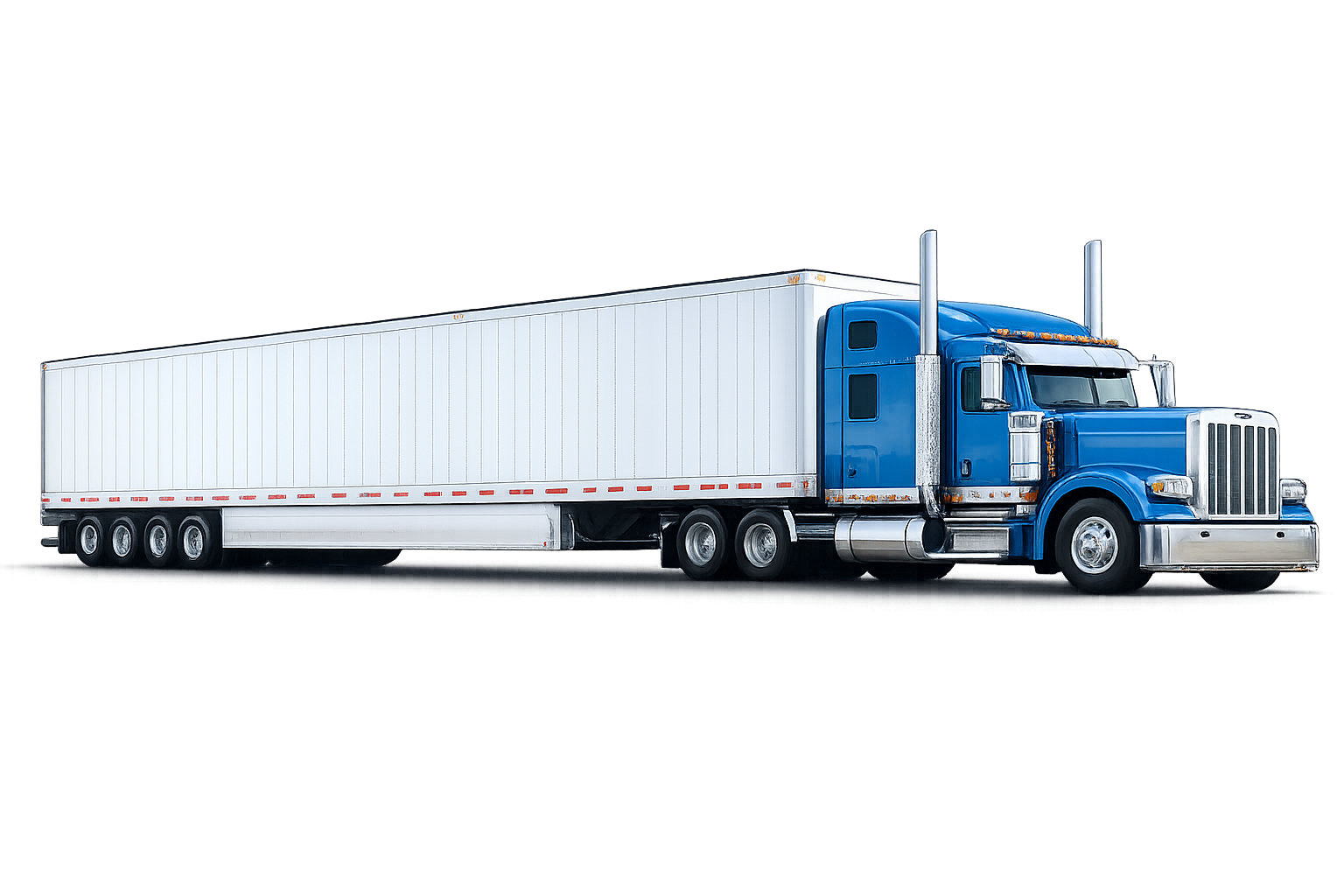
Protection for Vehicles That Power Your Business
Commercial auto insurance solutions for trucking companies, delivery businesses, contractors, logistics companies, service fleets, owner operators, and businesses using vehicles for commercial purposes.
What is commercial auto insurance?
Commercial auto insurance is designed for vehicles used primarily for business activities, including transportation, delivery, service, contracting, sales, logistics, hauling, and employee travel.
A commercial auto policy may combine liability, physical damage, medical, uninsured motorist, hired auto, non-owned auto, towing, rental, and other coverage depending on the operation and policy structure.
Common commercial auto insurance coverages
Coverage availability, limits, deductibles, exclusions, and eligibility depend on the carrier, policy, state, vehicles, drivers, and business operation.
Bodily Injury Liability
May help protect the insured business when a covered commercial vehicle accident causes bodily injury to another person.
- Eligible medical expenses
- Legal defense costs
- Covered settlements or judgments
Property Damage Liability
May respond when a covered commercial vehicle accident damages another person’s vehicle, building, equipment, or other property.
- Third-party vehicle damage
- Building or property damage
- Eligible claim and defense expenses
Collision Coverage
May help pay for eligible damage to an insured commercial vehicle caused by a covered collision or overturn.
- Collision with another vehicle
- Collision with an object
- Vehicle overturn damage
Comprehensive Coverage
May cover eligible vehicle damage caused by theft, fire, vandalism, weather, falling objects, animals, and other covered events.
- Theft and vandalism
- Fire and weather damage
- Specified non-collision events
Hired and Non-Owned Auto
May provide liability protection for eligible rented, leased, borrowed, or employee-owned vehicles used for business purposes.
- Rented or leased vehicles
- Employee-owned business-use vehicles
- Policy-specific liability protection
Uninsured Motorist Coverage
May provide eligible protection when a covered vehicle is involved in an accident with an uninsured or underinsured driver.
- Uninsured driver exposure
- Underinsured driver exposure
- State and policy-specific benefits
Commercial vehicles that may require coverage
Coverage can be structured for a single business vehicle or a fleet containing different vehicle types and business uses.
Business Cars
Company cars used for sales, travel, management, or service activity.
Box Trucks
Delivery, moving, courier, distribution, and service operations.
Service Vans
Contractor, repair, installation, maintenance, and technician vehicles.
Semi Trucks
Tractors, trailers, and heavy commercial transportation operations.
Pickup Trucks
Construction, landscaping, trade, service, and contracting businesses.
Delivery Vehicles
Parcel, food, pharmacy, retail, and last-mile delivery vehicles.
Buses and Shuttles
Employee transport, hotel shuttle, passenger, and courtesy vehicles.
Mixed Fleets
Businesses operating several vehicle classes under one operation.
Commercial auto does not replace every business policy
Commercial auto insurance primarily addresses vehicle-related risks. Other exposures may require separate policies or endorsements.
Explore All Insurance ServicesWhat can influence commercial auto insurance cost?
Premiums are determined through underwriting and can vary significantly based on the vehicles, drivers, usage, territory, limits, and loss history.
Driver records
Experience, licensing, violations, accidents, claims, and driver eligibility.
Vehicle profile
Vehicle type, age, value, weight, equipment, ownership, and condition.
Business use
Delivery, transportation, contracting, service, hauling, or employee travel.
Territory and claims
Operating radius, states, mileage, routes, prior accidents, and loss history.
Safer vehicle operations can help reduce losses
Driver management, maintenance, vehicle inspections, accident reporting, and route planning can help support safer operations and better claims outcomes.
Explore Commercial Safety TipsHow to request commercial auto insurance
Complete information helps support accurate underwriting and reduces delays during the quote process.
Share business details
Provide company information, operations, locations, ownership, and contacts.
Submit vehicle schedules
List VINs, values, ownership, vehicle types, garaging locations, and usage.
Provide driver information
Include names, licenses, experience, driving records, and employment status.
Review coverage options
Compare available limits, deductibles, endorsements, conditions, and pricing.
Commercial auto insurance FAQs
Common questions from trucking companies, fleets, contractors, delivery businesses, and commercial vehicle operators.
A commercial auto policy may include bodily injury liability, property damage liability, collision, comprehensive, uninsured motorist, medical, hired auto, non-owned auto, towing, rental, and other policy-specific coverage.
Personal auto policies may restrict or exclude certain commercial uses. Vehicles owned by a business or used regularly for delivery, hauling, service, transportation, or contracting may require commercial auto insurance.
Non-owned auto liability may be available for certain business use of employee-owned vehicles. Coverage depends on the policy, circumstances, vehicle use, and applicable terms.
Commonly requested information includes business details, vehicle schedules, driver information, vehicle use, territory, annual mileage, garaging locations, loss history, current policy, and requested coverage limits.
No. A quote request, website submission, email, phone discussion, or application does not bind coverage. Coverage must be confirmed in writing by an authorized insurance representative.
Protect every vehicle working for your business
Tell NORTH STAR COMMERCIAL INSURANCE LLC about your vehicles, drivers, business use, operating territory, mileage, current coverage, and claims history.